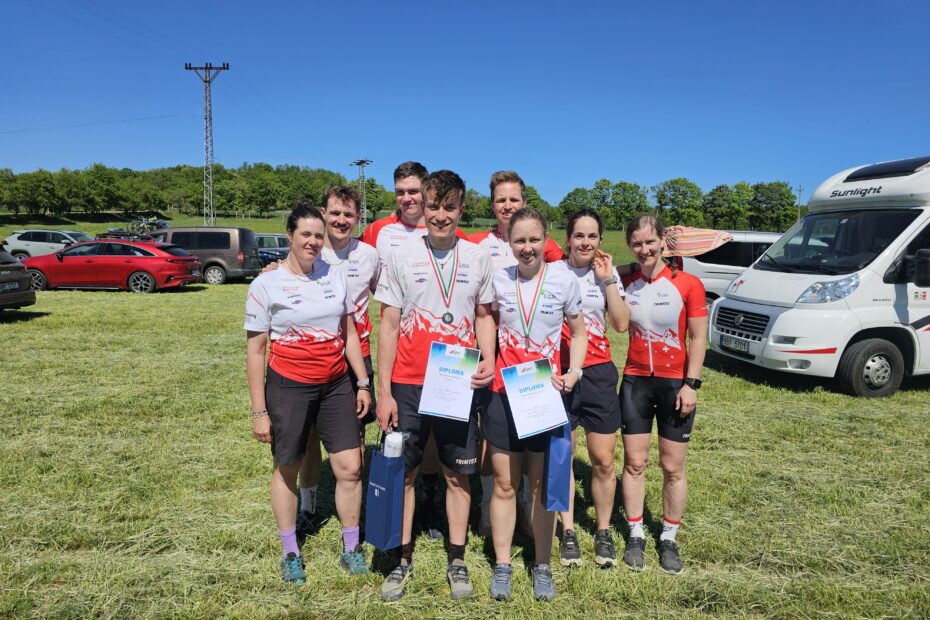
The start of the 2026 World Cup season took place in Hungary, more precisely at Lake Balaton. Three races were held in Balatonfüred over the long weekend from 1 to 3 May. We travelled out early to prepare for terrain that was fairly unfamiliar to all of us.
In the days before the World Cup we were able to do a variety of training sessions in a relatively large area only five minutes from where we were staying. In the southern part there was a semi-open area in which you could ride across country anywhere, so that it was practically foot orienteering on a bike. That was very cool, but also very challenging. We also trained route choice in the larger forest area with a long distance, and got the engine running at full revs with a few short mass-start intervals. I had a good feeling in all of the sessions, felt confident with the map and in good physical shape. I was optimistic about the races ahead!
The first race was a sprint. Even though we did ride through a few semi-open areas, the map-reading challenge was nowhere near as great as it had been in training. Both the terrain and the course setting were rather dull. At the start I struggled a little with my sense of distance and with how visible the tracks were, and I missed a turning twice. That is already too much in a simple, fast sprint, even though I rode well from then on. At control 2 I was 53rd on the split rankings and at control 4 I was 49th. By the end I had worked my way up to 15th, but no more than that was possible.
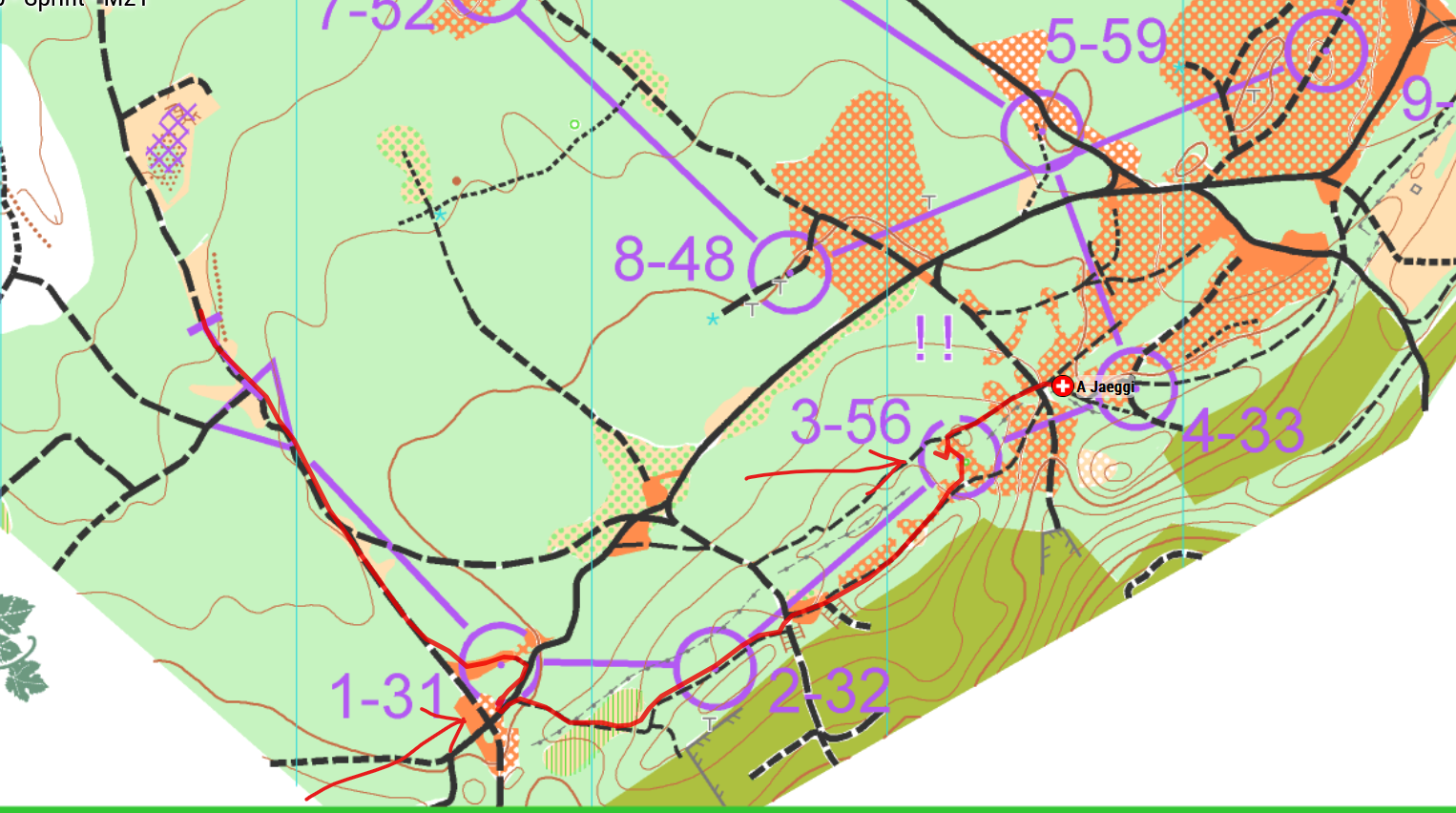
I rated my chances highly in the middle distance. I had won my previous middle-distance race, the World Ranking Event in Italy, and I generally feel comfortable with this race distance and the map-reading demands it brings. Right at the start I chose what I thought was a safe route. A big fallen tree that wasn’t marked on the map slowed me down on the way to the very first control, though. After that I was able to open up fully and put in a good performance. The one thing I got wrong was not taking enough time over the route choices in the middle part of the course. I often went with the first route I saw, and that was frequently not the fastest. Thanks to a fast final section I still managed to move up to 8th place.
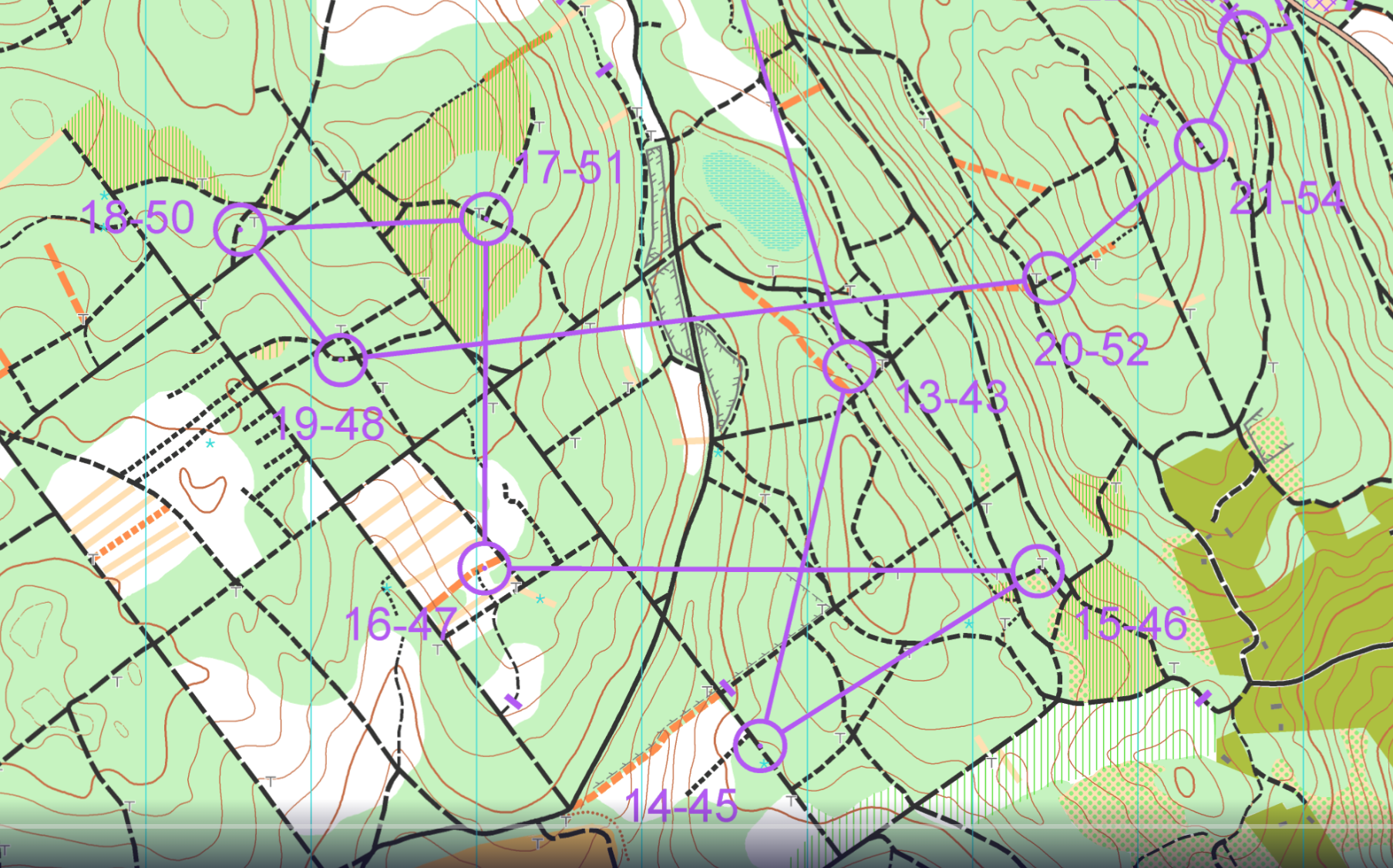
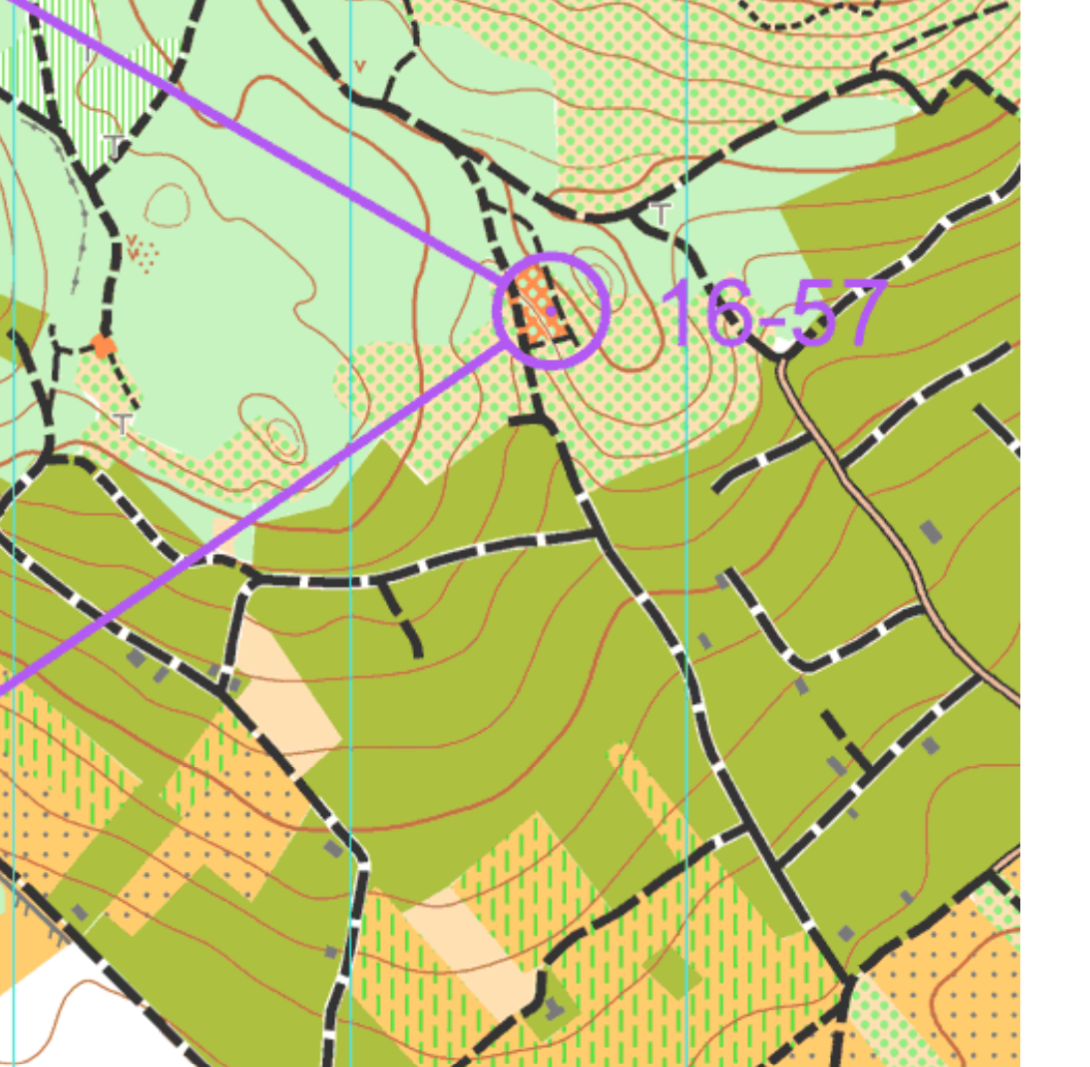
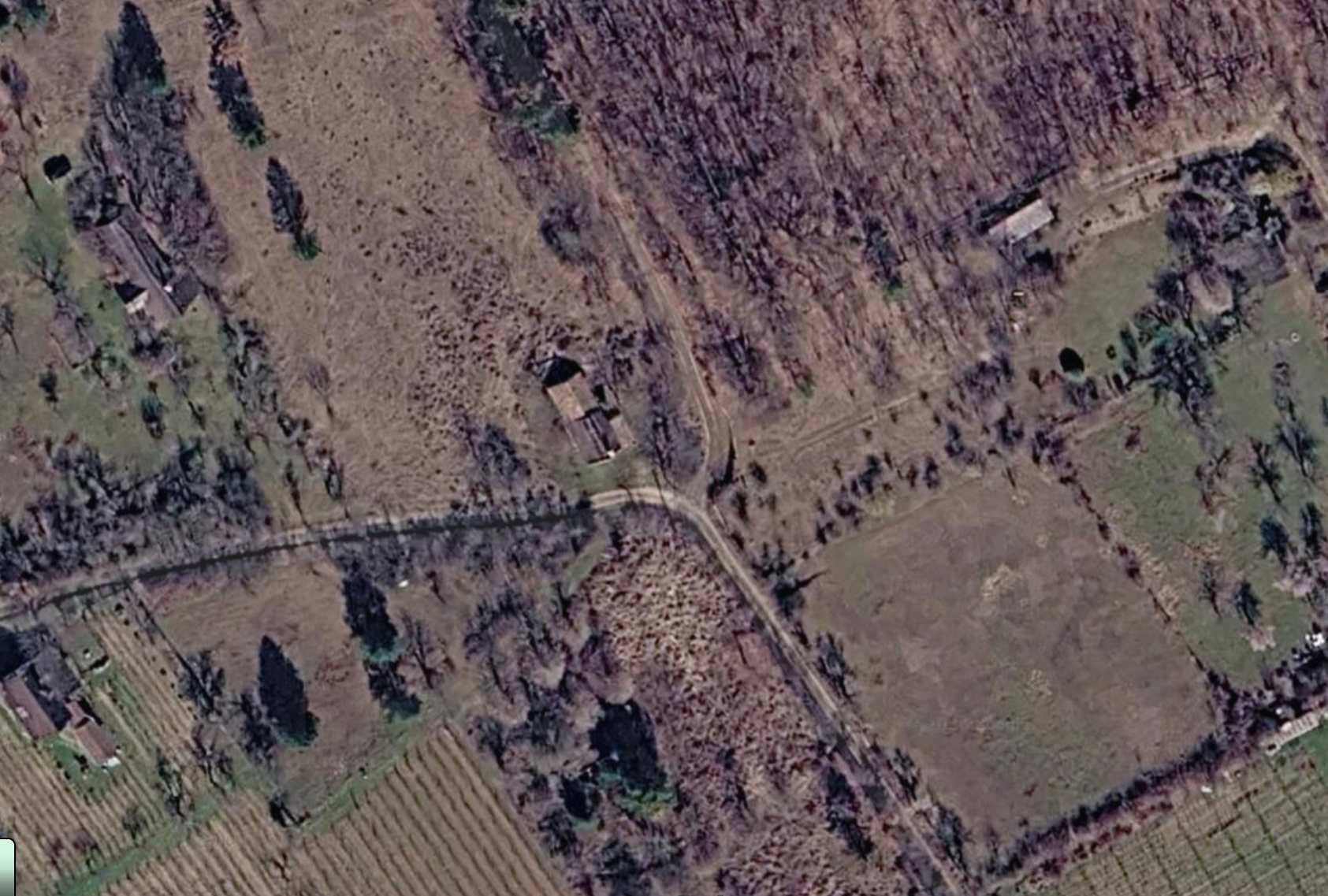
In the closing race of this World Cup round, a long distance of 46 km with a good 800 metres of climb, I wanted to get everything out of myself once more. The race went very well for a long time. I was able to push physically, gave myself enough time for the route choices and kept my concentration up throughout. I didn’t immediately find one small track entrance leading off a meadow, but that loss of about a minute was my only mistake up to control 16. After control 16 of 21, however, I made a bigger error. In an area that is very sloppily — or simply incorrectly — mapped, I missed a turning and couldn’t recover. The junction was wrong on the map, the angles and the course of the main track didn’t match, and the surrounding terrain was simply shown as olive green on the map. Houses, walls, orchards and other features that exist on the ground were missing from the map entirely. Granted, my sense of distance wasn’t up to scratch here, so the mistake can’t be blamed on the map alone. But in my view something like that shouldn’t happen at a World Cup. The error cost me a good five minutes. Somewhat surprisingly, that was still enough for 13th place in the end. Without my mistakes, 7th would have been realistic — a good confirmation of my physical form.
I look ahead to the European Championships in Portugal, which start in a good two weeks, full of confidence. I’m taking my form with me, I’m learning from my mistakes, and a bit of rest will give me fresh energy for another intensive week. See you soon in the next report on this website!