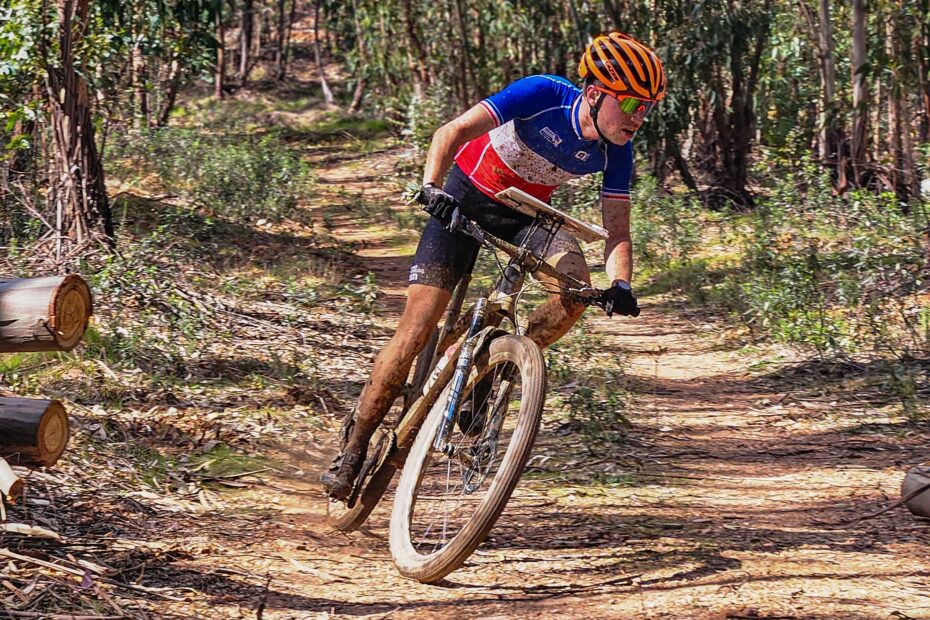
After a long winter of intense training, I traveled to Portugal and Spain to compete in the first selection races and test myself against international competition for the first time. Thanks to an early spring in Switzerland, I was already perfectly acclimated to the weather in Portugal. The first two competitions, a middle distance race and a sprint, took place in the Évora region in southeastern Portugal. My start to the season went well; I finished second in the first race. I immediately felt at home in the Portuguese forests and was able to put my extensive experience in Portuguese bike-O races to good use right away. The sprint didn’t go quite as well for me. Right from the start, I had to navigate around cars on the relatively narrow streets of the small town. This shifted my focus toward safety, and I lost the flow that is the most important factor for a fast race in a sprint. I also struggled a bit with the sometimes very short range of the control units. I finished in 8th place.
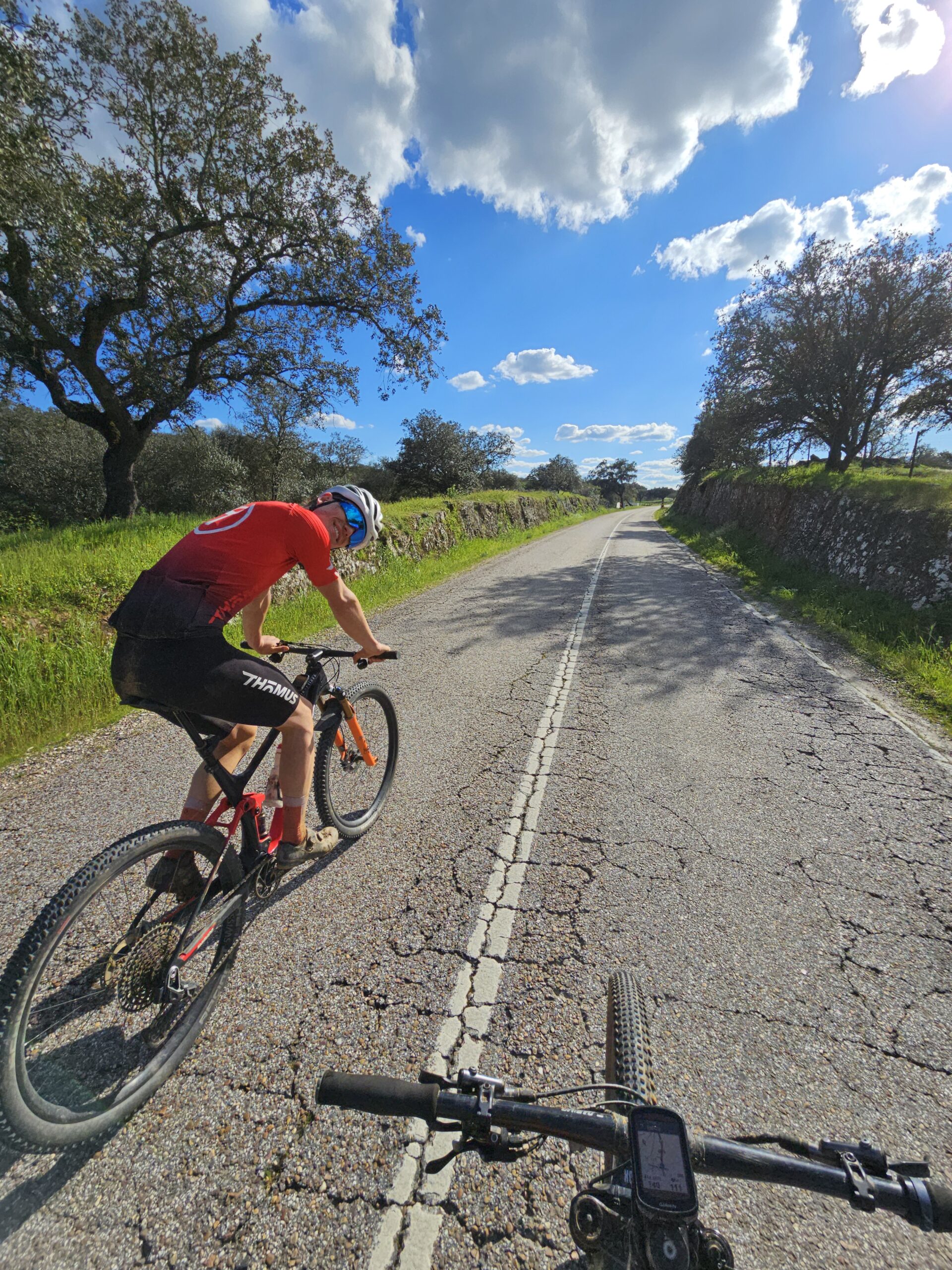
After that, it continued with a four-day training camp in Portugal, organized by Jean-Charles. On varied terrain, I was able to thoroughly familiarize myself with the unique characteristics of the Portuguese landscape. In particular, reading the terrain and counting the contour lines for each route proved to be key factors for success. Memorizing routes is also particularly important for the descents, as some of them are technically challenging and hinder map reading while riding. In three urban sprint training sessions, I was also able to gain experience navigating through narrow Portuguese alleyways. This is especially valuable because you can’t practice it in a controlled environment, and it’s hardly possible to train that back home.
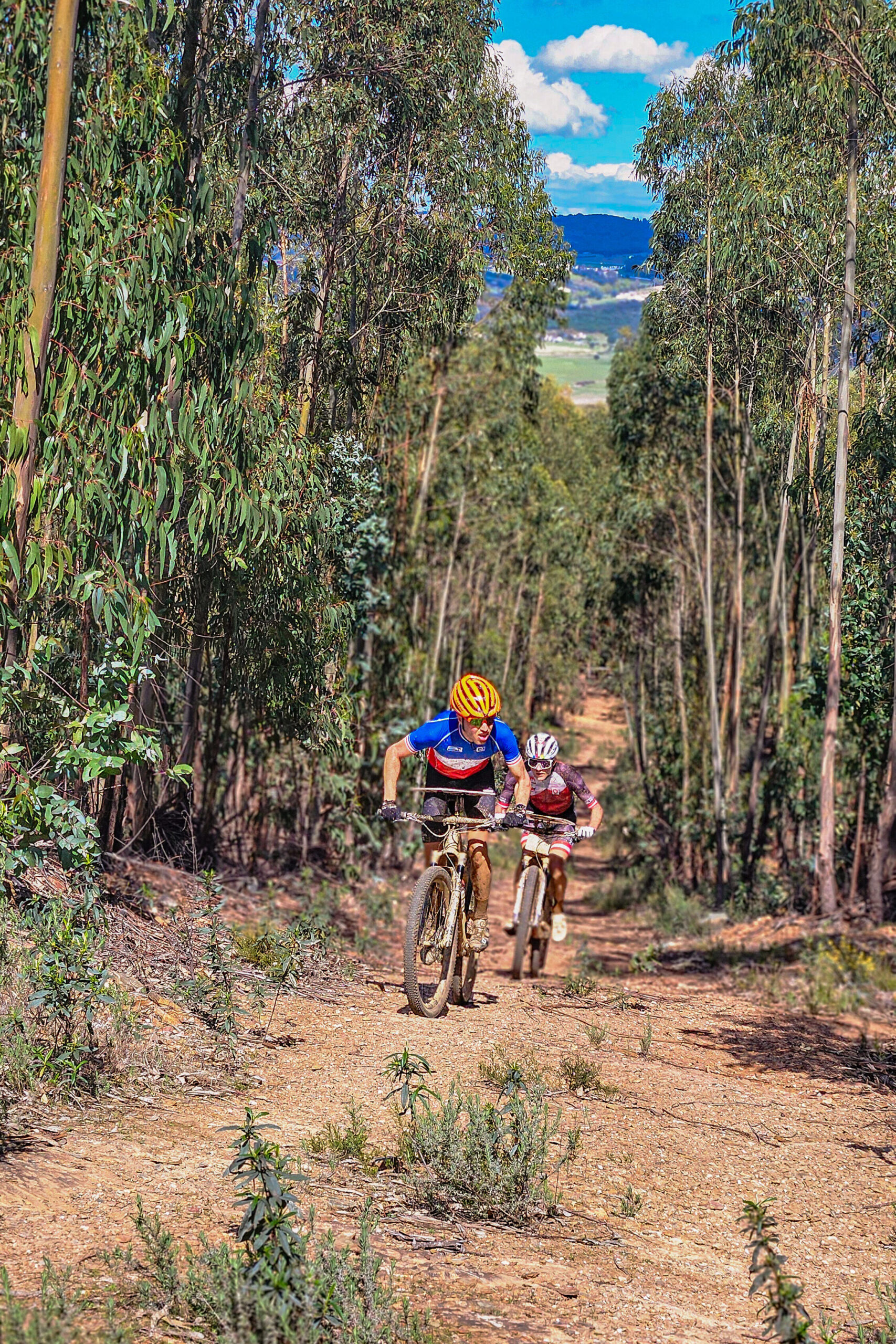
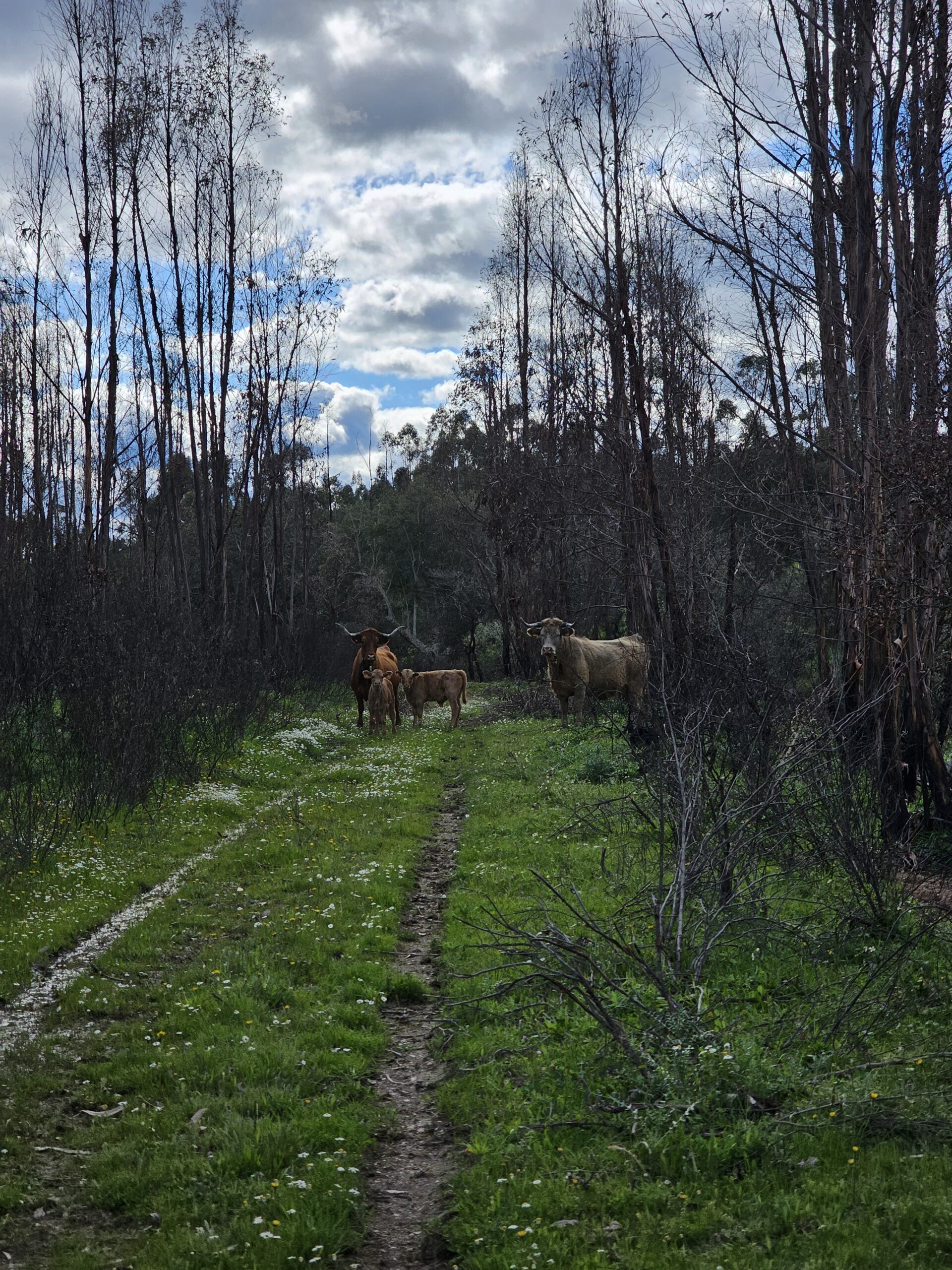
After a rest day, three races followed in Spain. In the Extremadura region, a mass start took place on Saturday, followed by a sprint in the evening. Overall, the mass start went quite well for me. At the start, I encountered some unexpected problems with my fork setup. A gate that was actually marked as open was closed, so I and two Austrian competitors had to climb over the gate, which was about two meters high. After that, I chose what was actually a very fast route through a small valley. However, it was full of a herd of cows with their calves and a bull. So I fell back and herded the herd through the valley for a few hundred meters. Even so, my route was still faster! After that, I raced a rather solitary race. Toward the end, my energy seemed to be waning, especially mentally. I made a parallel error that cost me about two minutes. In terms of ranking, nothing would have changed anyway; the gap to the leading duo of Fabiano and Noah was already there. I managed to hold on to third place, finishing ahead of Luca. The sprint in the evening wasn’t a selection race and didn’t take place in urban terrain. Still, I was motivated to put all my sprint training to use in a race. Midway through the race, I briefly lost my focus completely and lost about 1.5 minutes over three control points. Otherwise, the sprint went relatively well, but I could really feel the fatigue that had built up during the training camp, especially mentally. The training camp concluded with the middle-distance race. This took place in semi-open terrain that most closely resembles that of the new European Championship venue, Almeida (Almeida is standing in for Ourem, which was devastated by the storm). I felt relatively comfortable in the terrain. I found the mapping of permitted off-road routes (leaving the trails is not allowed outside these routes) and the lack of markings in the terrain to be very challenging. If you don’t want to take unauthorized shortcuts, you have to invest more time in map reading. Especially when athletes, mostly from the older age categories, simply drive criss-cross through the terrain, one wonders why one should follow the rules at all. Fortunately, awareness of this is much greater in the elite category. But to continue obtaining permits for competitions in areas with sensitive flora, fauna, or sensitive landowners in the future, it is essential that everyone follow the rules. Organizers are also called upon to avoid unclear situations through clear mapping and/or markings in the terrain. Back to my middle-distance race: At the end, I made another mistake because I took an unmapped path and thus couldn’t find the control at the expected location. It took me longer than others to recover. I finished the last race in fourth place.
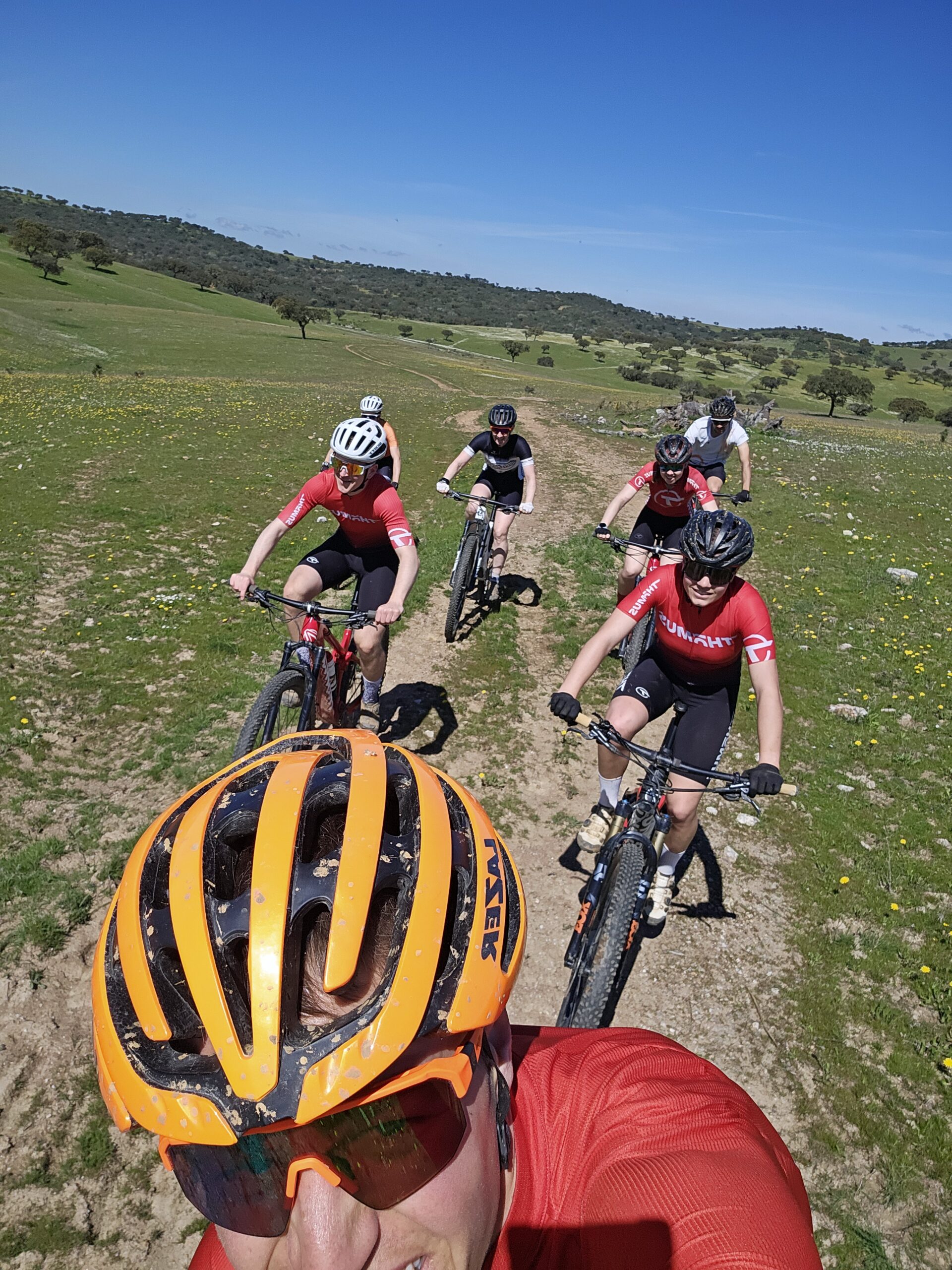
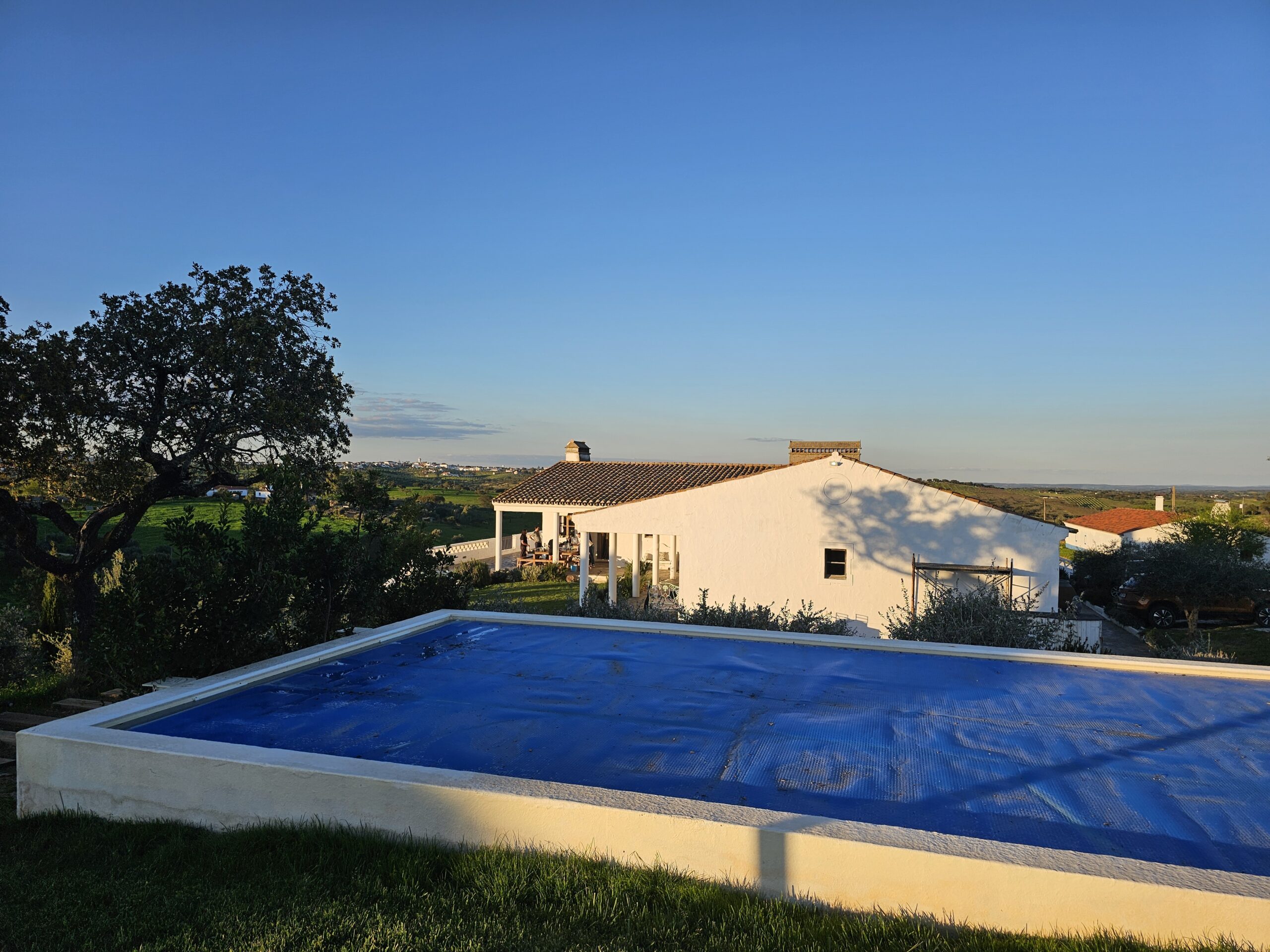
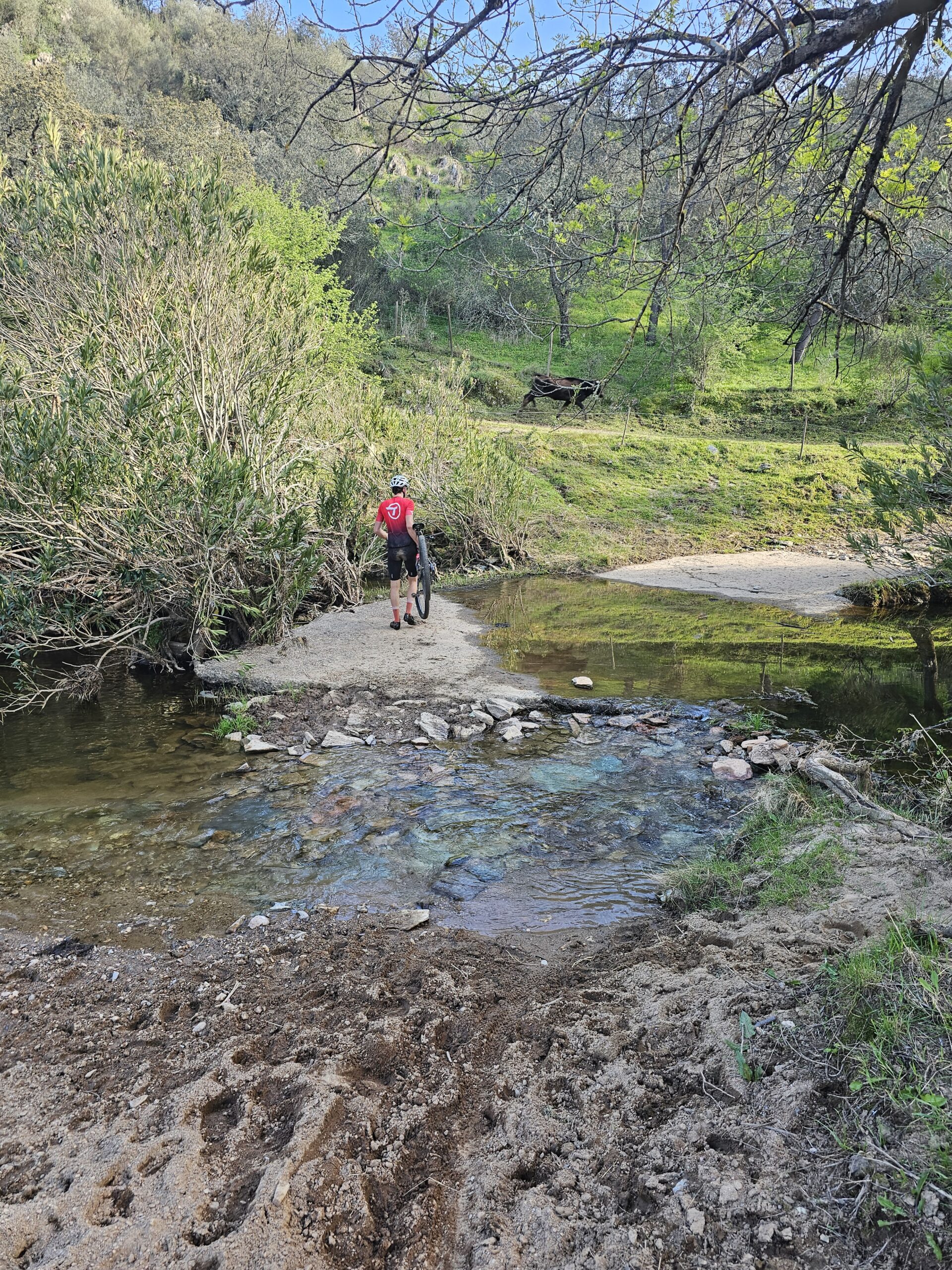
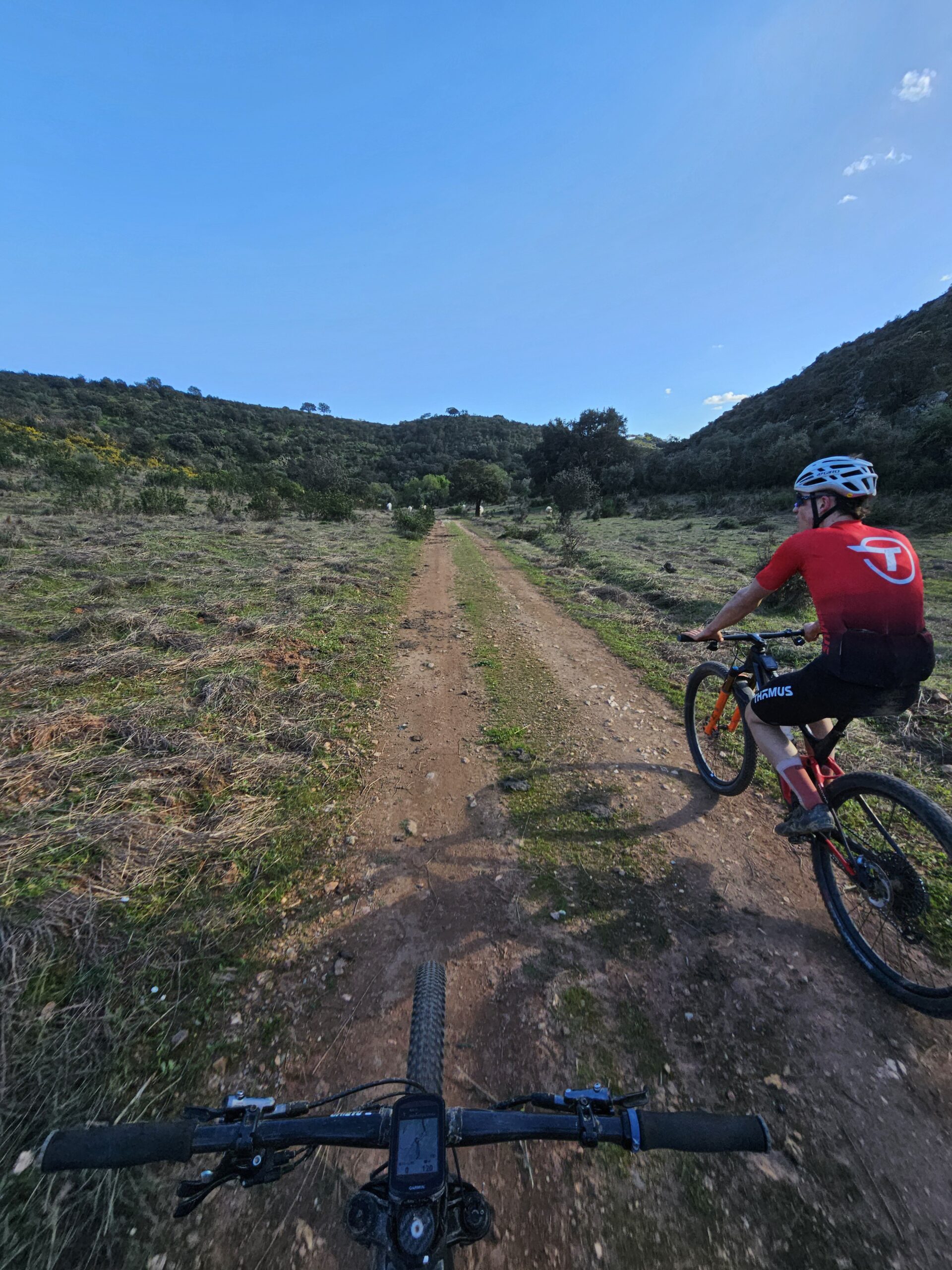
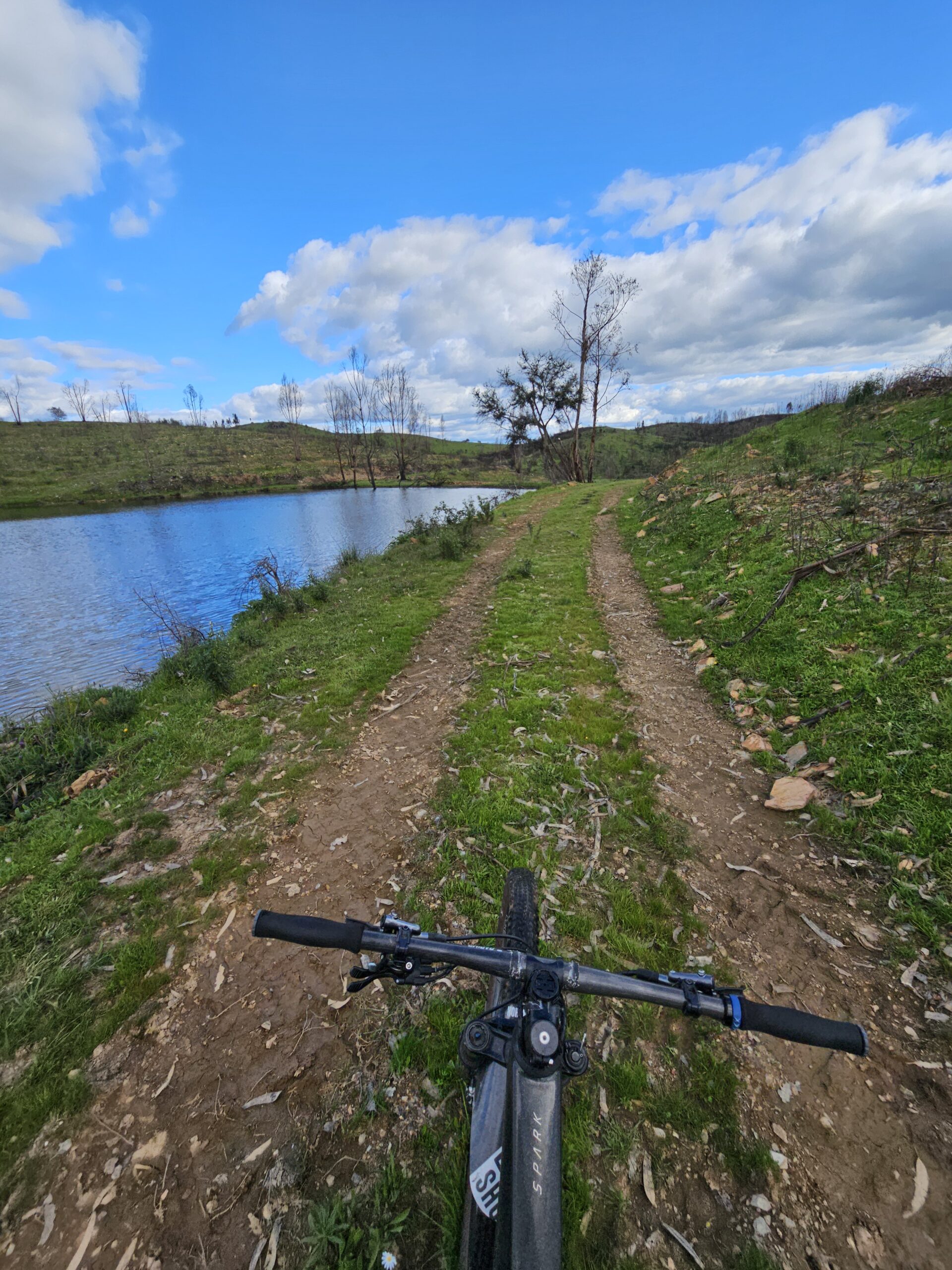
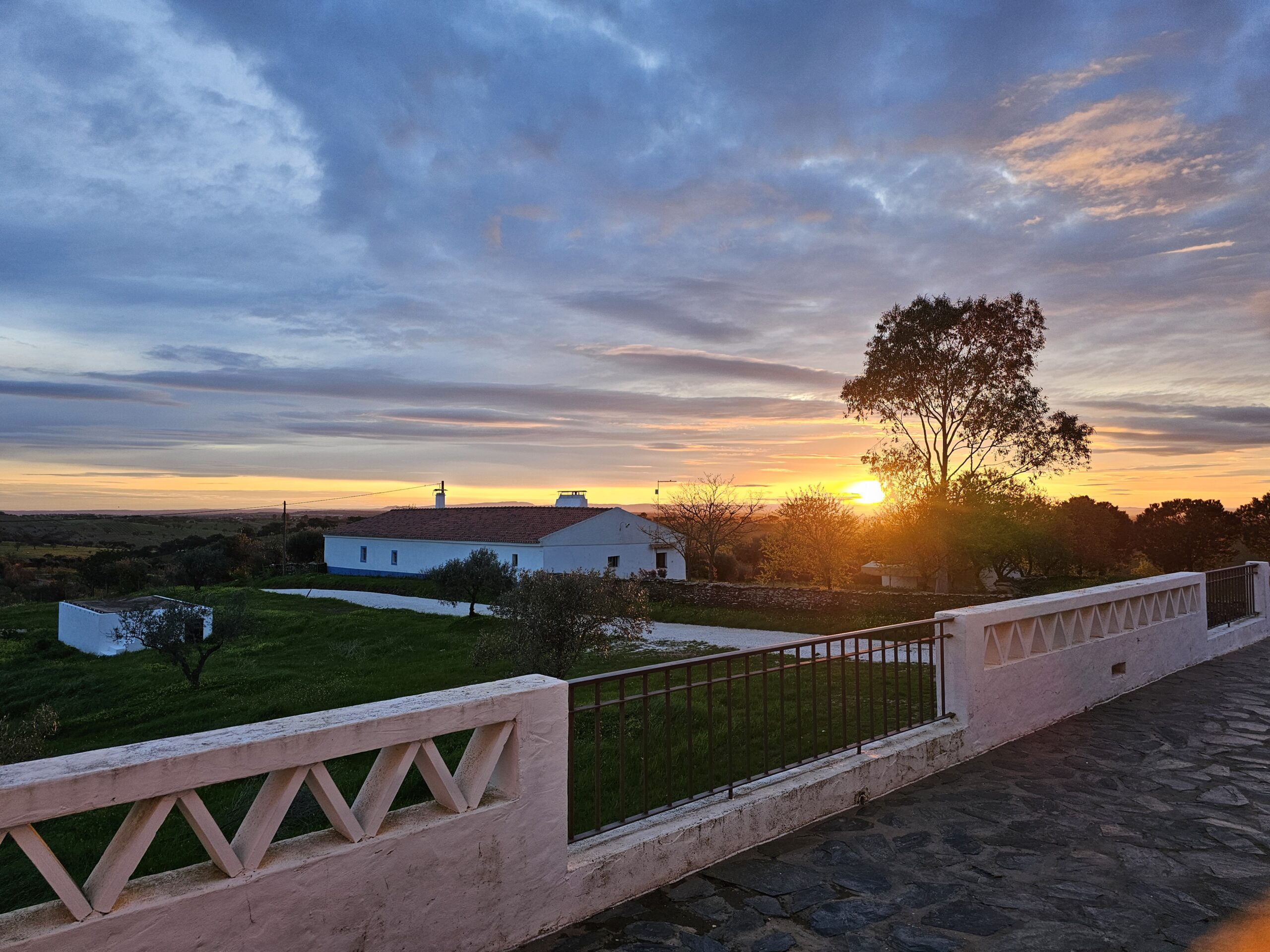
I look back on this training camp very positively. We covered many kilometers on various maps and visited many control points. I found the numerous urban sprint training sessions, in particular, to be very important preparation for the European Championships at the end of May. We had a great team spirit and grew closer together once again, while also successfully integrating new members. I know what I still need to work on before the World Cup and the European Championships, and I’m looking forward to the upcoming races with confidence—you’ll be able to read about them here soon. See you soon!